Impact

Social Benefits
Mental Wellbeing
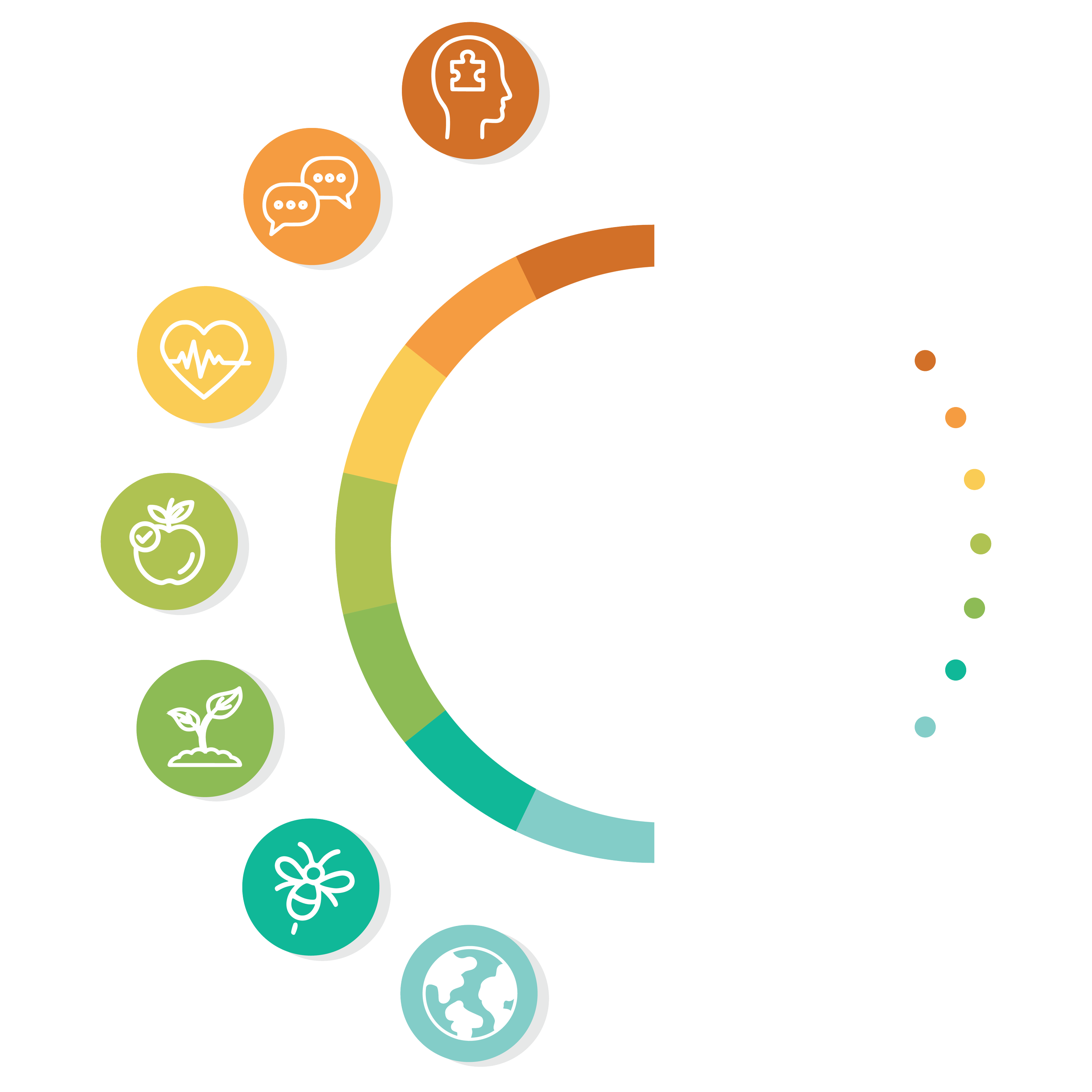
Gardens can be a powerful tool for mental well-being and mindfulness. Studies show being in green spaces can lower hormones such as cortisol, which can cause stress, anxiety, and symptoms of depression. Seed aims to provide opportunities for people to achieve a sense of purpose and accomplishment, boosting self-esteem and mood.
Community Cohesion
Seed and other garden spaces can support a diversity of social activity options. Providing opportunities to connect with others, try new things, express creativity, or share knowledge and experiences. All of which can foster a sense of community and placed-based belonging.
Physical Health
Gardening can improve cardiovascular health, muscle strength, and flexibility, while also providing vitamin D and reducing the risk of several chronic diseases. Studies have shown interacting with certain soil microbes can improve gut health and boost your immune system.
Growth and Leaning
Food and Nutrition
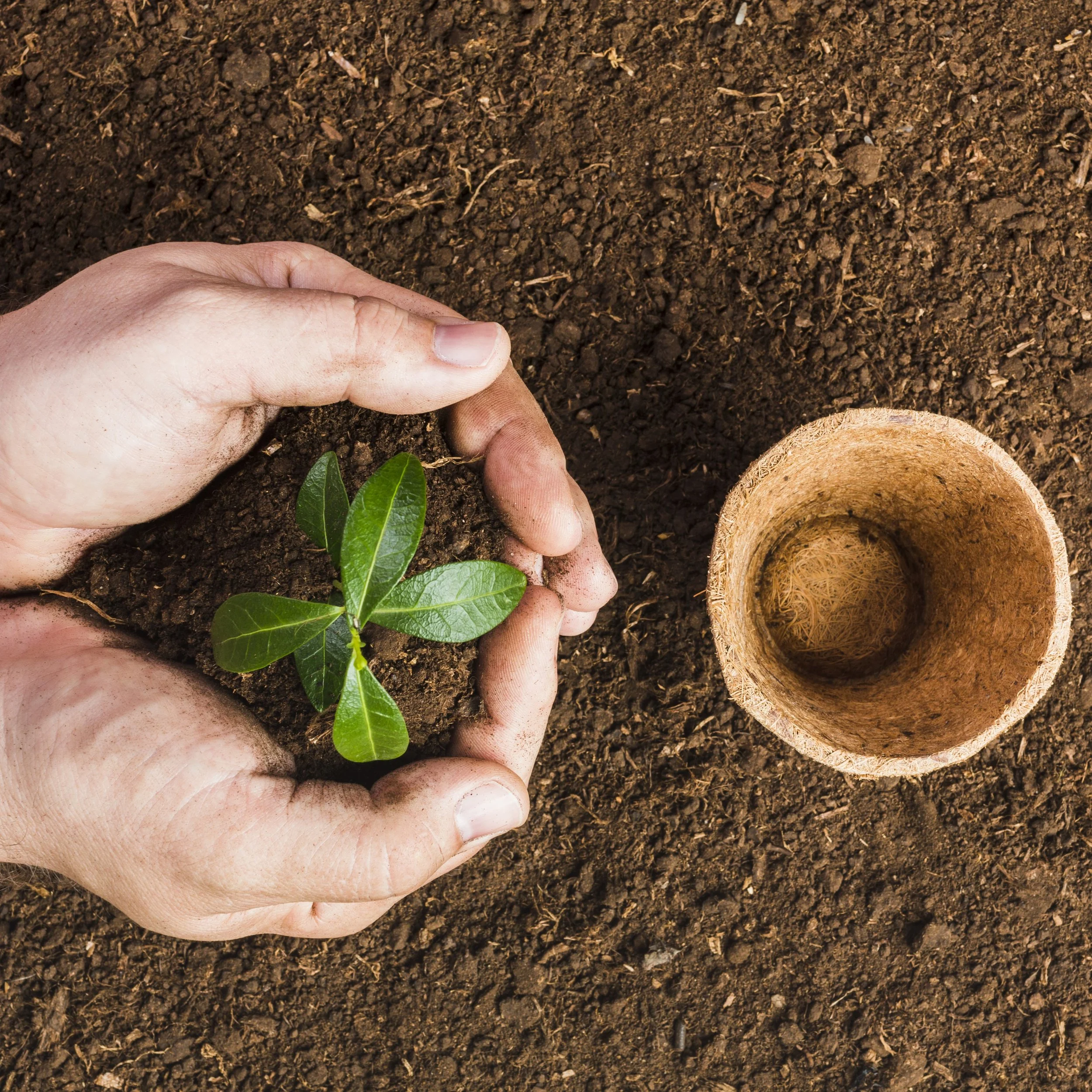
Community gardens increase access to fresh, nutritious fruits and vegetables. They encourage more diverse and balanced diets rich in vitamins and minerals necessary for developing healthy eating habits. Seed provides opportunities to learn about where food comes from, how it's grown, and how to prepare it. We also offer all-ages workshops on gardening techniques, food preservation, cooking, and even some herbal remedies.
Sustainability
Seed is built on reclaimed land and demonstrates circular economy practices, including resource efficiency, fostering sustainable methods and system regeneration. Composting and worm farming helps us reduce food waste while creating valuable soil enhancement. Seasonal eating and minimizing the use of chemicals can also lower our individual and collective carbon footprint.
Ecological Advantages
Biodiversity
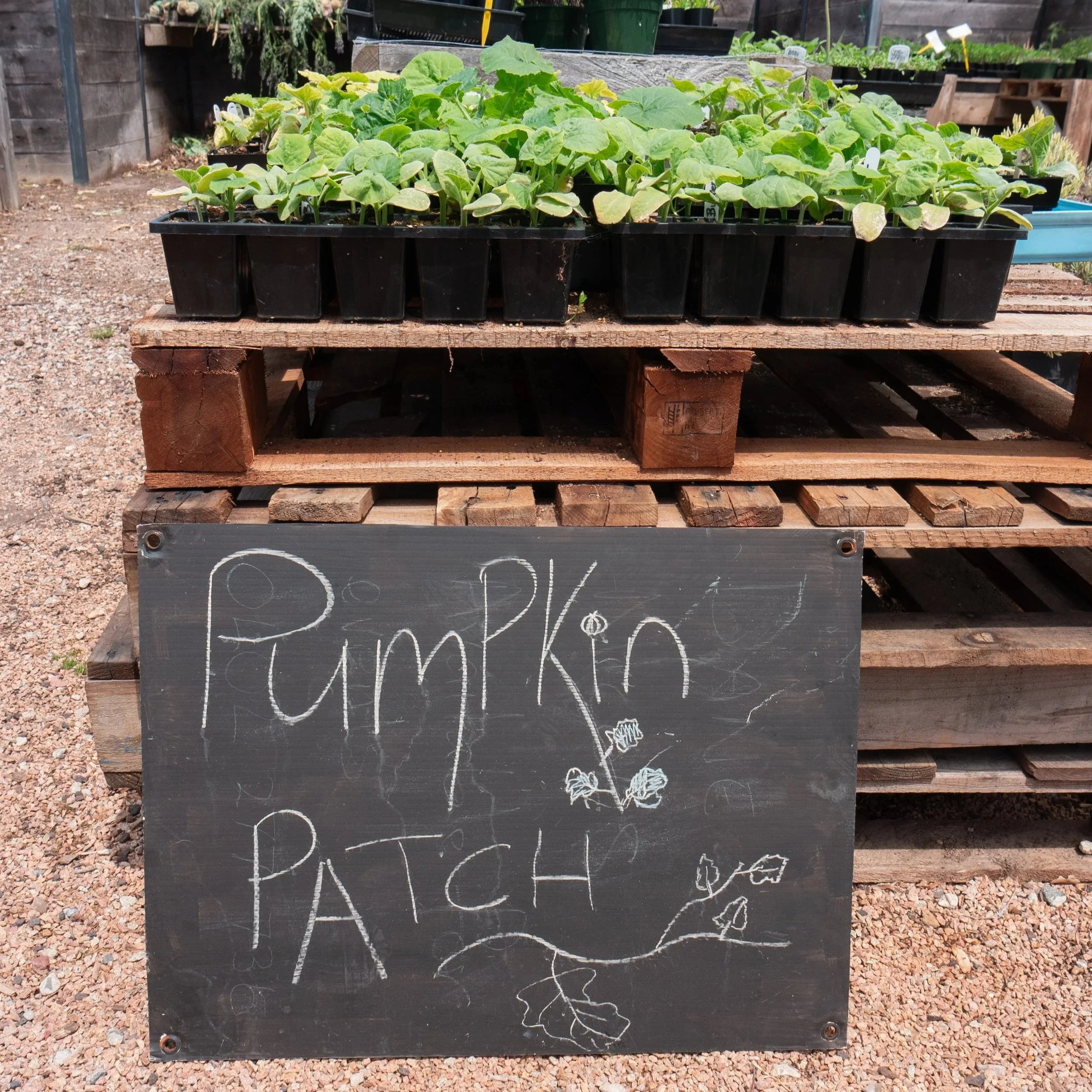
Seed grows a diverse range of plants for a more resilient and thriving ecosystem. Bees, butterflies, and birds are essential for many plants, not just those that produce our food. Establishing a pollinator garden, rotating crops, companion planting and species diversity help keep diseases and pests under control. Increasing awareness can also foster a sense of appreciation which can lead to behavior change and positive environmental action.
Carbon Cycle
Gardens can play a significant role in supporting carbon cycle ecosystem services through carbon sequestration in plants and the soil. Seed contributes to this nutrient cycling, climate regulation and overall ecosystem health. Healthy garden soils with high organic matter can retain more water, reducing runoff and protect plants during both drought and floods. Green spaces can also lower the temperature of immediate surrounding areas.